My preferred sockets, switches, dimmers, lamps and fittings, with product photographs and practical points to discuss when choosing accessories for your property.
Product selection sits within the wider requirements of BS 7671:2018+A4:2026 (previous A2:2022+A3:2024 version also current until 15 October 2026), particularly Chapter 51 (common rules), Chapter 52 (wiring systems) and Chapter 53/section 530 where applicable. The exact product standard and manufacturer's instructions also matter. This guide does not approve a DIY installation.
Accessory types
What each one is for — and what to check
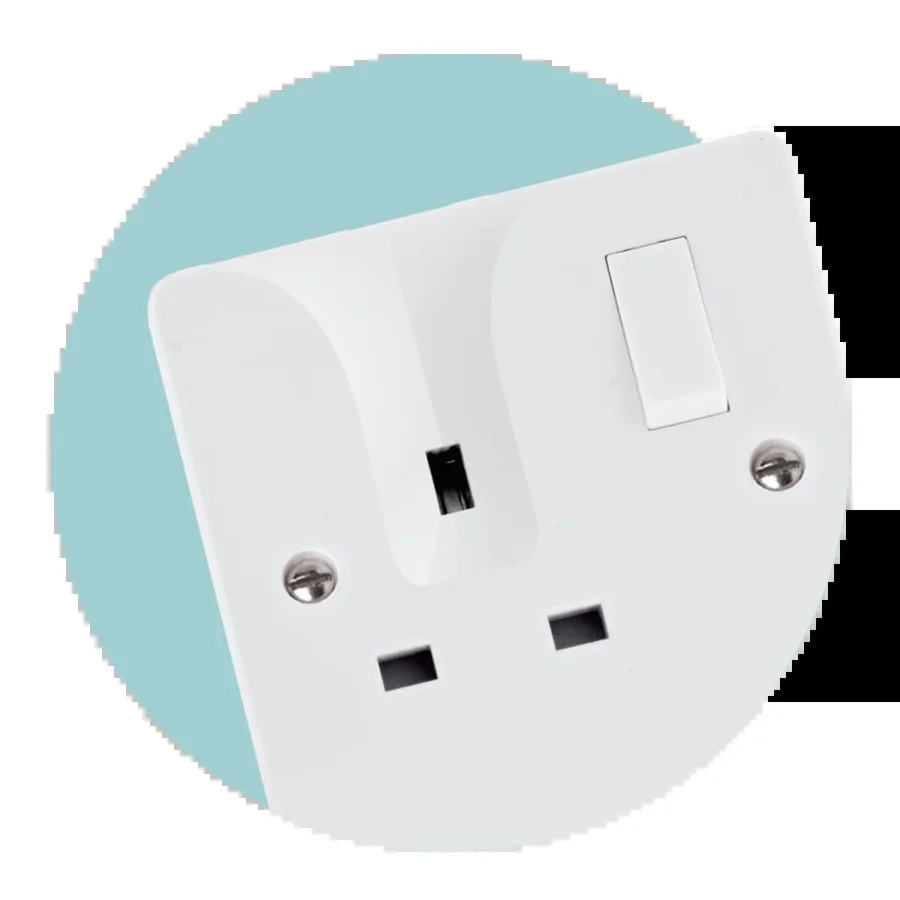
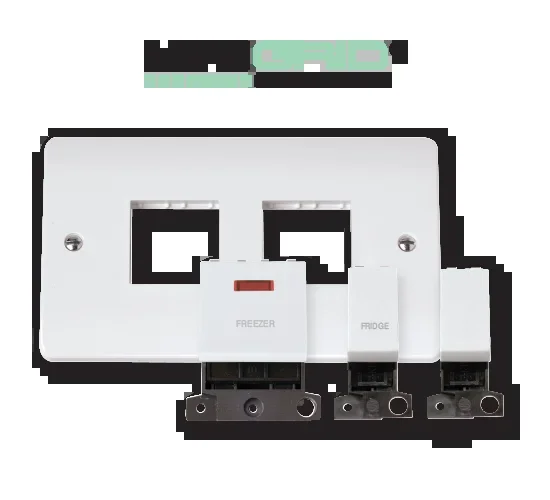
Click Mode white moulded range example · Photo source
13 A sockets and USB outlets
BS 1363 socket-outlets for portable appliances; integrated USB-A/USB-C charging where the output suits the devices being charged.
Check before ordering
Terminal capacity and the number/size of conductors
Switched or unswitched arrangement and accessible operation
USB output, charging protocol and standby consumption — not just the number of ports
A genuine product from a traceable manufacturer and reputable supplier
Common mistake:Assuming every USB socket fast-charges every phone or laptop, or that a USB socket changes the 13 A socket-circuit design.
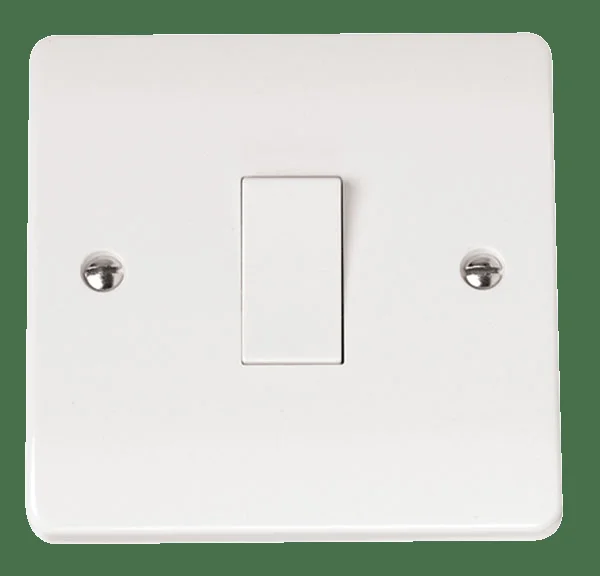
One-way, two-way and intermediate lighting control; suitably rated double-pole or multi-pole isolation where the appliance and manufacturer require it.
Check before ordering
One gang describes the number of controls; two-way describes the switching arrangement
The load, inrush and utilisation category — not simply a large amp number on the plate
Whether a fan needs a three-pole isolator or an appliance needs a double-pole switch
Correct identification and terminals for permanent line, switched line, neutral and CPC
Common mistake:Using a functional light switch or fused-spur switch as the point of safe isolation for working on the fixed wiring.
Dimming compatible LED lamps or drivers with a control system explicitly suited to that load and switching arrangement.
Check before ordering
Dimmable lamps/drivers and the manufacturer's compatibility information
Minimum and maximum LED load per gang, plus the number of lamps permitted
Trailing-edge, leading-edge or manufacturer-specific driver requirements
Neutral requirements, back-box depth, multi-point pairing and total heat dissipation
Common mistake:Putting two ordinary dimmers in a conventional two-way circuit, or assuming ‘dimmable’ means compatible with every dimmer.
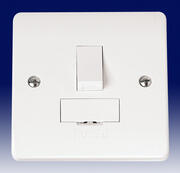
Click Mode CMA651 13 A switched fused spur, white · Photo source
Fused connection units and cable outlets
A fused connection unit (FCU) provides a fixed connection and a BS 1362 fuse for suitable appliances or a designed fused spur; a cable outlet is used only where its rating and purpose fit.
Check before ordering
The appliance instructions, design current and correct fuse rating
Switched/unswitched and flex-outlet requirements
Whether the circuit arrangement permits the spur
Secure cord grip, sheath retention and enough space for the conductors
Common mistake:Treating a 13 A fuse as the right choice for every appliance, or adding a spur without establishing the existing circuit topology.
Combining switches, dimmers, indicators, fuse modules or data outlets on one plate where a coordinated system is useful.
Check before ordering
Module, yoke/frame and front-plate compatibility
The dimmer module's actual load and control compatibility
Separation and termination requirements for mains and data
Box depth and cable space after every module is fitted
Common mistake:Mixing modules and frames because they look similar. Only combine products where the manufacturers explicitly permit it.
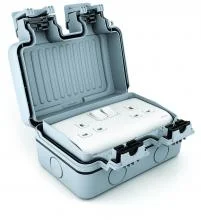
Contactum weatherproof socket range example — not a metalclad accessory · Photo source
Outdoor, weatherproof and metalclad ranges
Accessories designed for the actual moisture, dust, impact, UV and mechanical conditions in gardens, garages, workshops and commercial areas.
Check before ordering
The IP rating in the real installed state, including with a plug inserted where applicable
Cable-entry glands, drainage position, enclosure orientation and manufacturer's instructions
Impact, corrosion and UV resistance — an IP number does not describe all of these
Circuit protection, earthing and suitable outdoor cable
Common mistake:Using an indoor decorative socket in a weatherproof enclosure not designed for it, or assuming IP66 alone makes the whole installation suitable.
Paul's preferred products
White accessories and circuit protection I use
Click Mode white moulded range example · Photo source
Click Mode white moulded accessories
Click Mode by Scolmore is my main choice for white plastic sockets, switches, spurs and isolators. One coordinated range keeps plates matching across a property, but each item is still selected for its circuit, load, terminals, back box and location.
Example products and photos: TLC Direct Click Mode White range. Shown as typical examples of the range.
Exact product code matters: USB sockets, RCD sockets and 3-pole isolators have different terminal, depth and rating details, so I check the current Scolmore data sheet for each job rather than assuming parts are interchangeable.
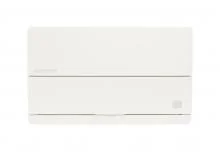
Contactum consumer-unit range example · Photo source
Contactum fuse boards and consumer units
Contactum is my chosen manufacturer for the boards I install. The enclosure, incomer and protective devices must form a compatible assembly for the supply and circuit design — the brand alone does not determine the specification.
Supply and earthing arrangement
Ways, layout and spare capacity
RCD, RCBO, AFDD and SPD design where applicable
Fault-current ratings and manufacturer's assembly instructions
I use Aurora GU10 lamps, BELL LED tubes in 4 ft, 5 ft and 6 ft lengths, and Kosnic DD lamps with Blanca bodies. The photographs show range examples; the exact wattage, colour temperature and product code are selected for each job.
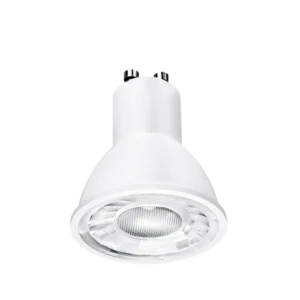
Aurora ICE GU10 example — exact lamp code to confirm · Photo source
Aurora GU10 LED lamps
For suitable GU10 downlights and spotlights. Match the lamp dimensions, light output, beam angle and colour temperature to the fitting and room.
Aurora offers dimmable and non-dimmable variants. Only use a dimmable lamp with a compatible dimmer; GU10 alone does not establish compatibility.
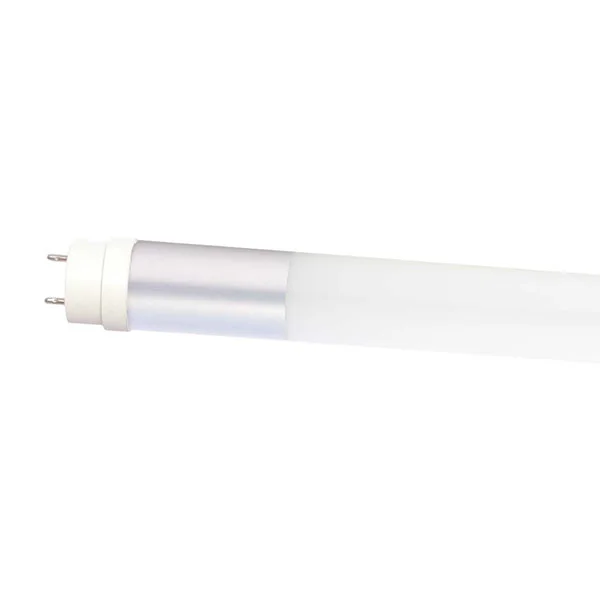
BELL 60232 4 ft T8 LED tube example — exact variant to confirm · Photo source
BELL 4 ft LED tubes
For suitable linear fittings in areas such as garages, workshops, stores and commercial premises. Match the actual tube length, cap, light output and environment to the fitting.
Check the exact tube's wiring and control-gear instructions. An LED tube is not automatically a direct replacement for every fluorescent tube or electronic ballast.
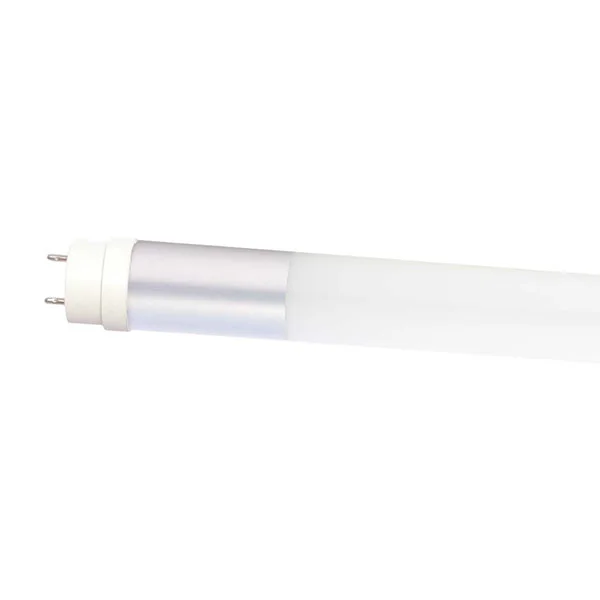
BELL 60233 5 ft T8 LED tube example — exact variant to confirm · Photo source
BELL 5 ft LED tubes
For suitable linear fittings in areas such as garages, workshops, stores and commercial premises. Match the actual tube length, cap, light output and environment to the fitting.
Check the exact tube's wiring and control-gear instructions. An LED tube is not automatically a direct replacement for every fluorescent tube or electronic ballast.
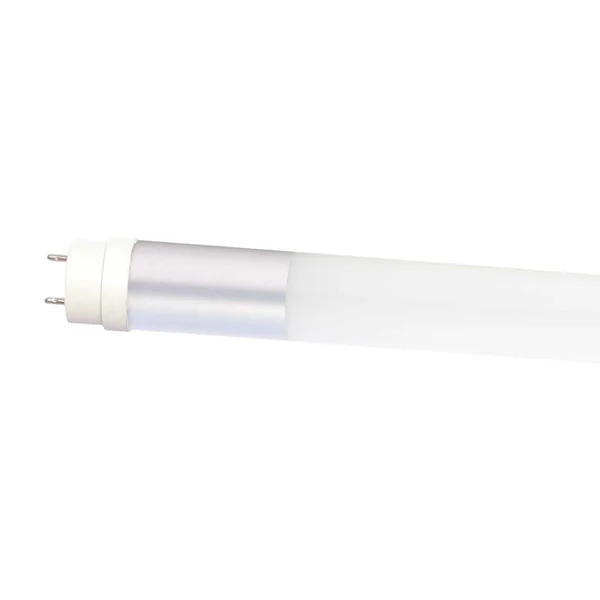
BELL 60234 6 ft T8 LED tube example — exact variant to confirm · Photo source
BELL 6 ft LED tubes
For suitable linear fittings in areas such as garages, workshops, stores and commercial premises. Match the actual tube length, cap, light output and environment to the fitting.
Check the exact tube's wiring and control-gear instructions. An LED tube is not automatically a direct replacement for every fluorescent tube or electronic ballast.
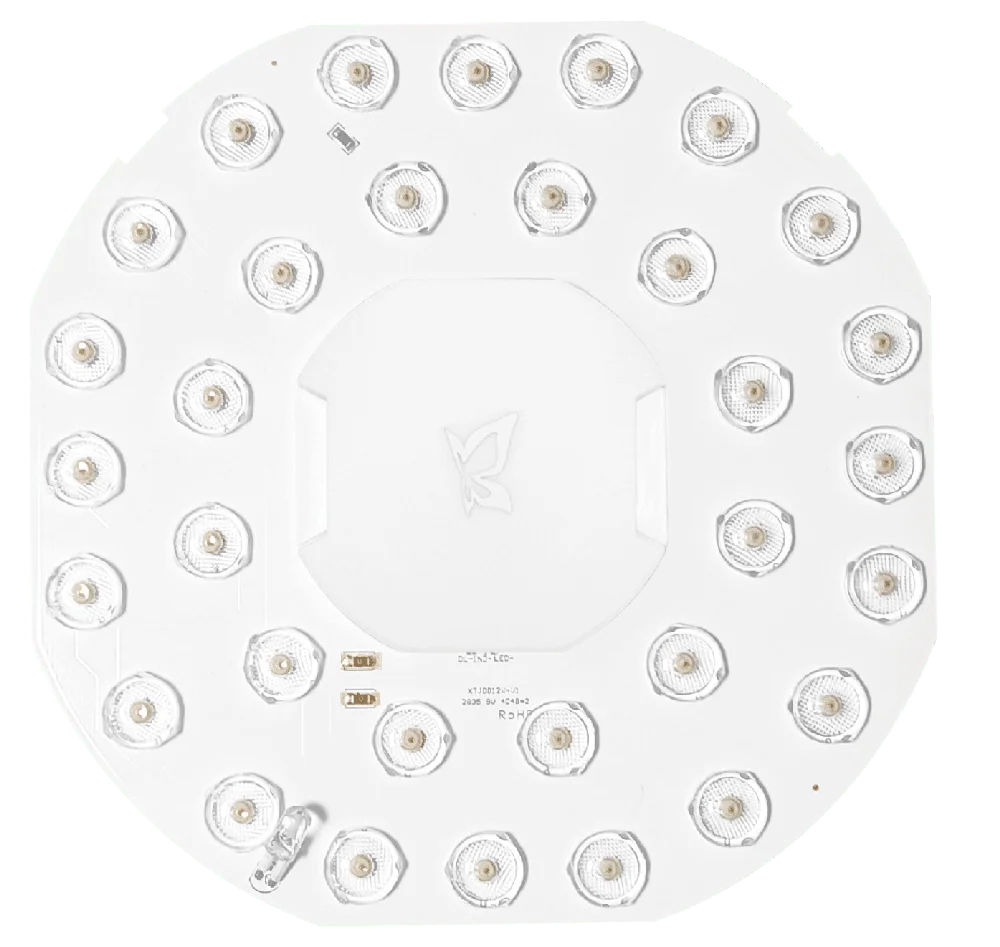
Kosnic DD II lamp-module example — exact generation and variant to confirm · Photo source
Kosnic DD LED lamps
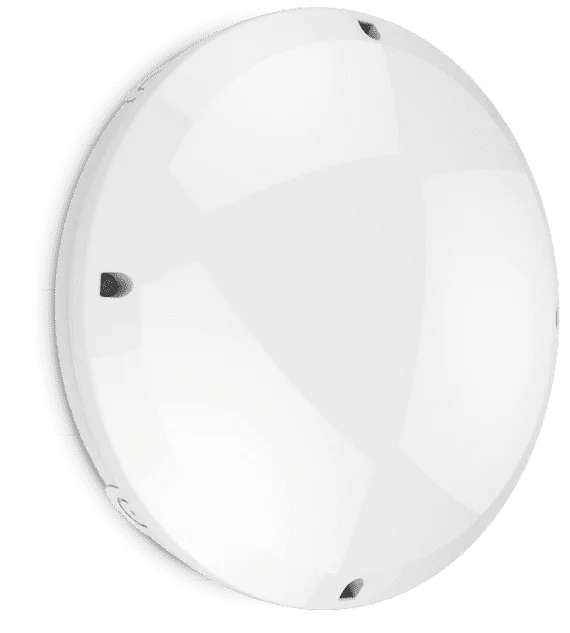
I use Kosnic DD LED lamps in compatible bulkhead fittings. The DD lamp/module provides the light source; the Blanca body is the separate enclosure and diffuser.
The pictured DD II is an example, not confirmation of my exact version. Check the lamp code, mounting, supply and control-gear instructions. Dimming, colour/wattage selection, sensors and emergency modules vary by model and must not be assumed interchangeable.
Kosnic BLCDD Blanca body example — exact trim and variant to confirm · Photo source
Kosnic Blanca bulkhead bodies
I use the Blanca body with a suitable Kosnic DD lamp. It is a surface-mounted bulkhead fitting for practical lighting in areas such as corridors, stairs and utility spaces.
Kosnic lists the Blanca-DD range as IP65. Preserve the seals and suitable cable entries during installation; the rating alone does not establish suitability for every location. Confirm the trim, lamp and any emergency equipment against the exact product instructions.
Conversion needs proper checks: safely isolate before work, establish ballast/starter compatibility and whether rewiring is required, and follow the manufacturer's instructions for the tube and fitting. Assess lampholders, insulation and any required conversion labelling; do not assume single-ended and double-ended supply arrangements are interchangeable.
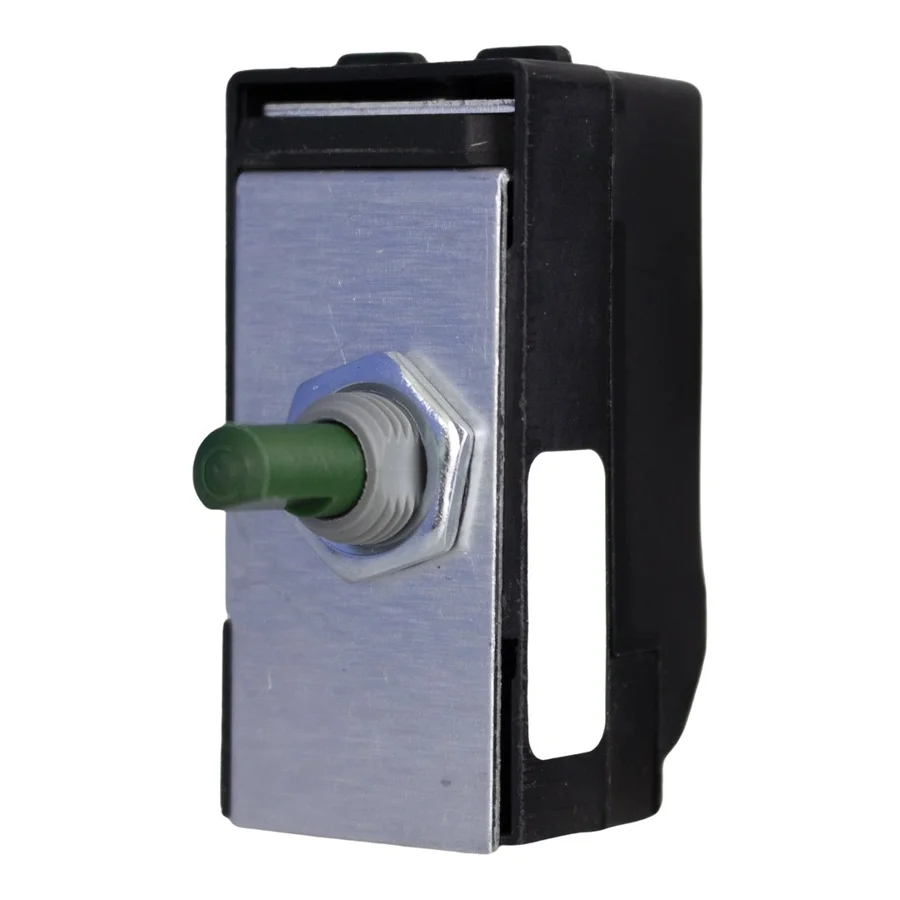
Enkin PDM150 150 W LED intelligent dimmer module — manufacturer photograph · Photo source
Paul's stated preference
Varilight V-Pro and Enkin for compatible LED dimming
For suitable LED retrofit work, my preferences are the Varilight V-Pro and Enkin intelligent dimmer ranges because their driving mode and brightness range can be adjusted for the connected load. That adjustability is useful; it is not a promise that every lamp will work.
Standard V-Pro
Varilight lists 120 W or 300 W dimmable-LED options per gang, no minimum load, a default trailing-edge mode and alternative modes. In a conventional two-way circuit, use one standard dimmer and an ordinary switch at the other position.
V-Pro Multi-Point
A separate master/supplementary-controller system for dimming from multiple positions. Its 100 W and maximum-ten-lamp limits differ from standard V-Pro; do not mix the two sets of instructions.
Enkin PDM150 intelligent dimmer
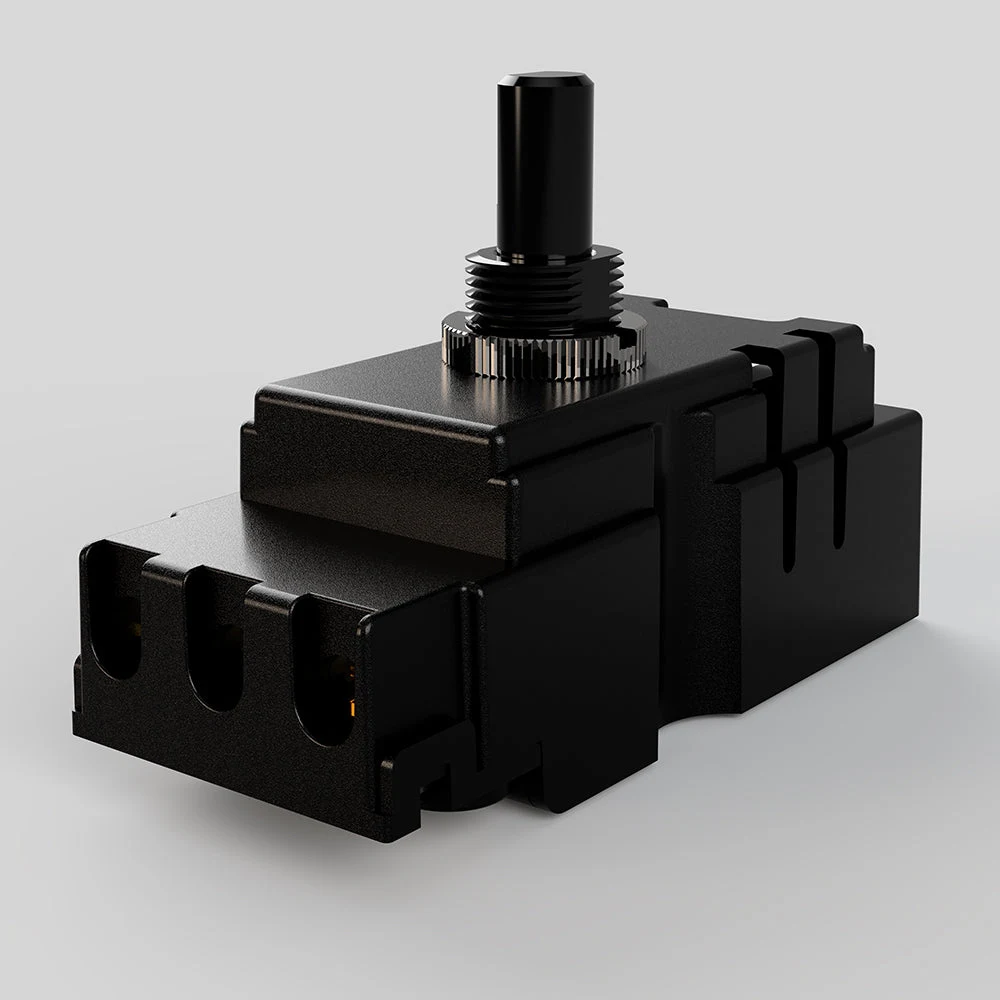
The PDM150 shown above is rated for 220–240 V AC, 50 Hz, with a 2–150 W dimmable LED load or a 2–300 W incandescent/halogen load. Enkin lists leading- and trailing-edge operation, soft start, push-button setup, a self-recovering thermal fuse, and short-circuit and overload protection. Check lamp compatibility and follow the PDM150 instructions for installation and settings; other Enkin models have their own limits.
Enkin multi-way and in-line
The PDM250 multi-way dimmer gives multi-point dimming without a master/slave arrangement, and the IDM in-line modules convert retractive switches into dimming points. Enkin also lists a PDM020 1–10 V control module — follow each model's own wiring instructions.
Check the exact plate or module: Varilight specifies a 25 mm minimum box for some Classic products and 35 mm for Ultraflat/Screwless versions. Non-dimmable LEDs, fluorescent loads, motors and some driver types are explicitly outside particular V-Pro applications; check the Enkin data sheet for equivalent limits before fitting.
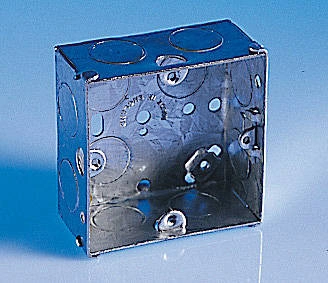
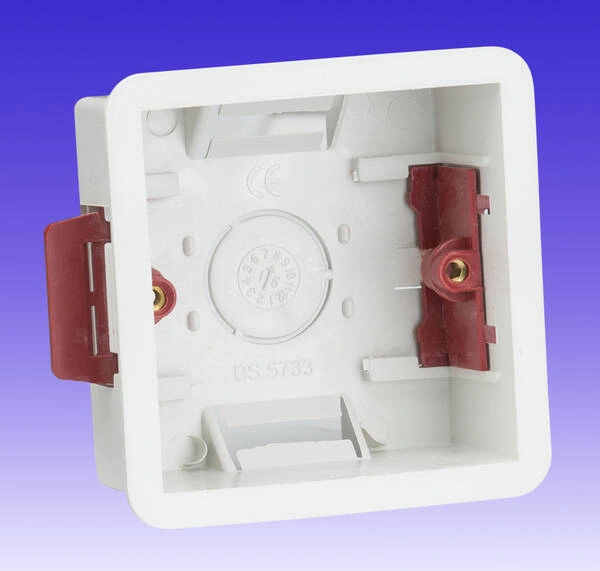
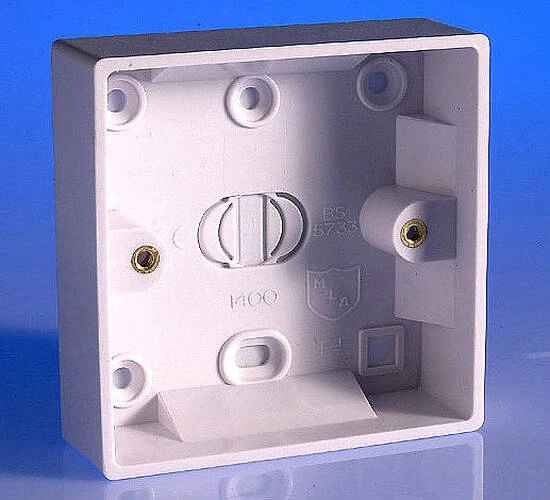
A box must suit the accessory, wall and wiring. BEAMA's July 2025 bulletin explains the relevant box standards and warns against treating a non-UK box as interchangeable merely because an accessory appears to fit.
For the accessories covered by that bulletin, it identifies boxes complying with BS 4662 or BS 5733 and the relevant part of BS EN 60670. Check the current requirements and the accessory manufacturer's instructions.
AA125MB — 1-gang 25 mm white surface box; TLC product photograph · Photo source
25 mm
Common option
35 mm
Common option
25 mm
Common option
Flush metal box or suitable dry-lining box for the wall construction
Enough depth and volume for conductors, terminals and electronic modules
Correct fixing centres, secure lugs and permitted cable entries
No crushed insulation, sharp edges or forced conductor bends
Fire, acoustic and thermal-insulation requirements where relevant
Surface boxes must suit the accessory and environment too
Do not solve a tight box by crushing the cable or removing protective parts. Choose a permitted deeper box, a suitable surface enclosure or an accessory designed for the available space. Metal accessory earthing must follow the product and circuit requirements; never rely casually on fixing screws as the protective connection.
Finish is the last choice, not the first
Click Mode white moulded range example · Photo source
White moulded
Practical, easy to keep visually consistent and available in broad ranges. Useful where straightforward replacement and wide product availability matter.
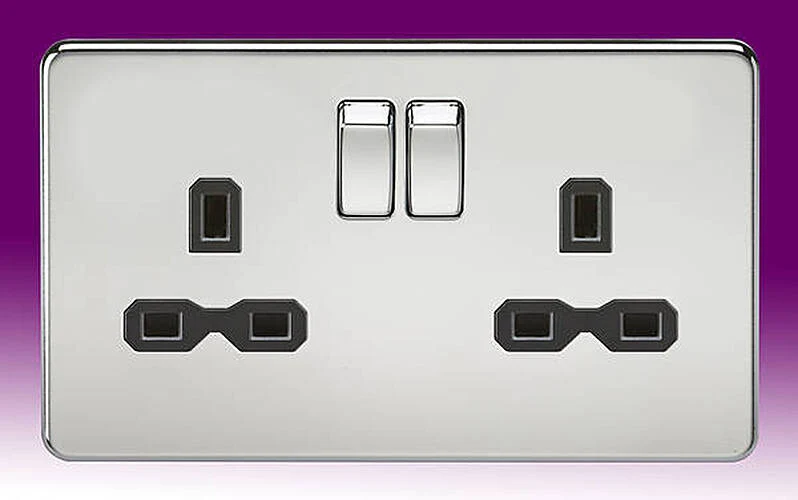
Knightsbridge SF9000PC screwless polished-chrome 13 A 2-gang DP switched socket with black inserts · Photo source
Decorative and screwless
I use the Knightsbridge screwless polished-chrome range, with black inserts on sockets and a slim clip-on cover. The SF9000PC double socket shown is an example from that range. Check plate depth, clip-on surround clearance, earthing instructions and the matching switch or dimmer's own specifications.
Contactum weatherproof socket range example — not a metalclad accessory · Photo source
Metalclad and weatherproof
Selected for mechanical and environmental conditions, not simply for an industrial look. The enclosure, entries, cable and circuit protection work as one system.
Established ranges such as Hager Sollysta and MK Logic Plus publish product standards, terminal capacities and installation details. Use those data sheets to compare the exact item rather than treating a brand name as a specification.
FAQs
Wiring accessory questions
Is a screwless metal socket safer than a white plastic one?
Not inherently. Safety depends on a compliant product, suitable application, correct earthing where required, sound terminations and the circuit design. Screwless describes how the visible plate is retained; it does not describe the quality of the electrical connections.
Can I put any dimmer module in any grid plate?
No. Check the module, frame and plate as a system, along with lamp/driver compatibility, load and box depth. A module that physically clips in is not automatically electrically or thermally compatible.
Is a deeper back box always better?
Extra space can help with conductors and electronic modules, but the wall construction, fire/acoustic requirements, accessory instructions and cable entry still govern. Common depths are options, not a universal 25, 35 or 47 mm rule.
Can I replace a socket or switch myself?
Like-for-like replacement may be legally possible in some circumstances, but legal permission does not make the task safe. The circuit must be correctly isolated and proved dead, the existing wiring assessed, and the completed work checked. Damage, missing CPCs, unusual conductors, burning or uncertainty mean stop and call a competent electrician.
Edition 1.1, July/August 2025. It quotes the then-current A3 regulation wording; verify requirements against the current BS 7671:2018+A4:2026 (previous A2:2022+A3:2024 version also current until 15 October 2026).